Services
 Case studies
 Contact us
 Brochure
Published on February 20, 2026
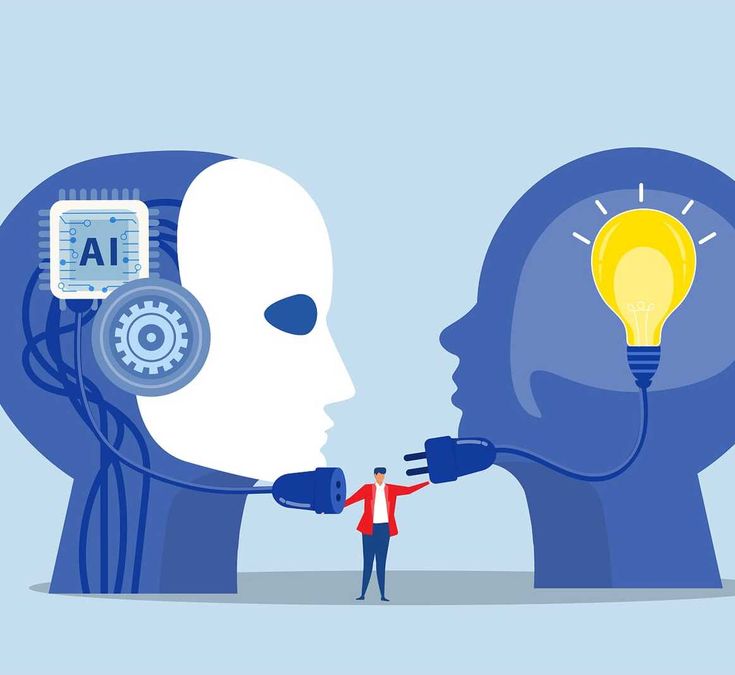
Based on insights from leading global institutions and industry research, AI’s effect on modern jobs is best understood as a transformation of work, rather than just a story of job loss. According to the World Economic Forum, by 2030, nearly 15% of work tasks will be performed solely by humans, driven mainly by automation (82%) and supported by increased human-machine collaboration (19%). Importantly, this change is still expected to create a net gain of 78 million jobs worldwide, particularly in areas like AI, data, software development, and fintech. Research from PwC shows that AI exposure is linked to faster wage growth, with professionals with AI-related skills earning up to a 56% wage premium. Additionally, skill requirements in AI-intensive roles are evolving 66% faster than in less exposed jobs.
On the ground, AI is already improving productivity instead of replacing people. Studies by GitHub reveal that over 90% of developers finish tasks faster and report greater job satisfaction when using tools like Copilot, especially for repetitive work. From a workforce perspective, the U.S. Bureau of Labor Statistics points out that while AI changes the tasks within jobs, it does not automatically remove occupations, similar to past technological shifts like smartphones. In HR, adoption is moving quickly, with SHRM stating that more than half of organizations now use AI in recruiting, achieving measurable improvements in efficiency, cost savings, and candidate quality, while still relying on human judgment for important decisions.
At the same time, the International Labour Organization warns that automation risks are not evenly spread, particularly affecting clerical roles and women. This highlights the urgent need for large-scale reskilling and upskilling initiatives. In this changing environment, like our Qcentro play a crucial role by helping organizations adopt AI solutions responsibly across software development and HR processes. They focus on automation that improves productivity, people-centric technology that promotes better hiring and workforce choices, and continuous learning frameworks that prepare talent for the future. Overall, the evidence is clear: AI is not getting rid of work; it is reshaping jobs, rewarding adaptability, continuous learning, and effective human-AI collaboration. These principles are central to how Qcentro partners with businesses in the digital age.